

Bushfire Attack Levels
Know your BAL. Understand what it means.
Your Bushfire Attack Level (BAL) can have a significant influence on how and where you build.
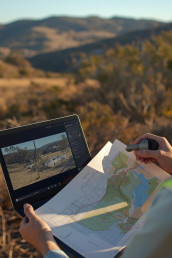
Blackash provides site-specific BAL assessments to determine the potential level of bushfire exposure and help clients understand the implications for building design, construction materials and development approvals.
We provide clear, reliable advice to help homeowners, builders, architects and developers make informed decisions from the outset.
What is a Bushfire Attack Level?
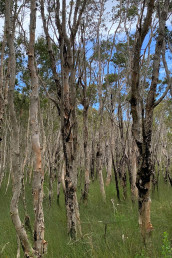
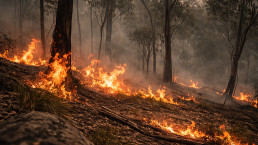
A Bushfire Attack Level measures a building’s potential exposure to ember attack, radiant heat and direct flame contact during a bushfire. The BAL classification is determined by factors including surrounding vegetation, distance from the hazard and the slope of the land.
In Australia, the recognised BAL classifications and level of exposure are:

BAL-LOW
Very low risk of bushfire attack

BAL-12.5
Ember attack and radiant heat up to 12.5 kW/m²

BAL-19
Ember attack and radiant heat up to 19 kW/m²

BAL-29
Ember attack and radiant heat up to 29 kW/m²

BAL-40
Increasing likelihood of flame exposure and radiant heat up to 40 kW/m²

BAL-FZ
Direct exposure to flames from the fire front
The assigned BAL informs applicable construction requirements under Australian Standard AS 3959 and the National Construction Code.
- BAL assessments and certificatesBlackash provides BAL assessments and supporting documentation for residential and other relevant development projects. Depending on the site, proposed works and approval pathway, this may include a BAL assessment report or a BAL Risk Assessment Certificate.
- BAL assessmentsA site-specific assessment establishes the applicable bushfire exposure level and identifies the implications for building design and construction.
- BAL CertificatesIn NSW, a BAL Risk Assessment Certificate may be required to support a Complying Development Certificate (CDC) application on bushfire-prone land.
A BAL Certificate documents the assessed bushfire attack level and relevant compliance matters for the proposed development. Where required, it must be issued or endorsed by an appropriately recognised bushfire consultant or council.
Not every development requires a BAL Certificate. The appropriate documentation depends on the proposed works and the relevant approval pathway. - Why an accurate BAL mattersAn accurate BAL assessment can influence decisions about building location, design, materials and construction costs. Understanding these requirements early can help avoid unnecessary redesign, approval delays and unexpected costs.
In some circumstances, changes to building location, orientation or site management may influence the assessed exposure and available design options. Blackash works with clients and design teams to identify these opportunities while maintaining the required level of bushfire protection.